
Table of Contents
Managing a vacation rental no longer requires being on-site every day. Thanks to modern property management software, connected devices, and automation, learning how to manage Airbnb remotely is now practical for everyone, from individual hosts to companies operating hundreds of properties.
The hospitality industry has accelerated its digital transformation in recent years, with businesses increasingly adopting technologies that reduce manual work, improve operational efficiency, and create better guest experiences. Research published in Sustainability found that organizations with greater digital maturity, including stronger technology adoption, staff training, and digital processes, are significantly more likely to implement successful digital solutions that improve daily operations.
Today, remote Airbnb management relies on an ecosystem of connected tools rather than constant physical presence. Smart locks enable secure self-check-in, automated messaging keeps guests informed at every stage of their stay, dynamic pricing software adjusts nightly rates, and integrated management software synchronizes reservations, calendars, and operational tasks from a single place.
Throughout this guide, you’ll learn how to manage Airbnb remotely by building the right technology stack, creating reliable local processes, and using automation to deliver a seamless guest experience, whether you manage one listing or an entire vacation rental portfolio.
Can You Really Manage an Airbnb Remotely?
The short answer is yes. Learning how to manage Airbnb remotely has become increasingly practical thanks to cloud-based technology, automation, and connected hospitality platforms. According to research published in Systems (Wynn & Lam, 2023), digitalisation has fundamentally changed hospitality operations by enabling property managers to automate processes, improve efficiency, and manage guest interactions without being physically present.
Remote hosting has become more common because hospitality technology has evolved well beyond basic reservation systems. Early property management tools focused primarily on bookings and room management, but modern hospitality platforms now support customer communication, pricing, operational workflows, analytics, mobile applications, and cloud-based management from virtually anywhere.
For Airbnb hosts, this means many daily operations can be handled remotely, including:
- Managing reservations
- Coordinating guest communication
- Monitoring occupancy
- Automating check-in instructions
- Tracking operational performance
- Managing pricing and availability
The study also highlights that today’s digital transformation is driven not only by operational efficiency but by rising guest expectations. Travelers increasingly expect fast communication, seamless digital experiences, and convenient self-service options throughout their stay.
However, even when learning how to manage Airbnb remotely, some responsibilities still require trusted local support. Physical cleaning, maintenance, emergency repairs, inspections, and on-site guest assistance cannot be fully digitalized. Wynn & Lam identify workforce adaptability as one of the critical success factors for digital hospitality operations, emphasizing that technology works best when combined with reliable operational teams capable of responding when physical intervention is necessary.
The Remote Management Tech Stack
Successful remote property management isn’t powered by a single tool. Instead, modern hospitality businesses rely on an integrated technology stack where multiple systems work together to support daily operations.
The hospitality companies examined by Wynn & Lam consistently emphasized that cloud computing, mobile applications, analytics, automation, and centralized management systems create the foundation for effective remote operations. Rather than operating independently, these technologies exchange information to streamline workflows and reduce manual tasks.
A typical remote management ecosystem includes:
- property management software
- channel management
- guest messaging automation
- smart access technology
- Automated payment processing
- Automated tasks management
- operational dashboards
- analytics and reporting
- Mobile app
The research also warns that disconnected technology creates operational challenges. Companies using multiple standalone tools often struggle with inconsistent data, duplicated work, and higher maintenance costs. For this reason, successful hospitality businesses increasingly prioritize integrated management software that allows information to flow across different systems instead of relying on isolated applications.
A Property Management System as Your Hub
A Property Management System (PMS) serves as the operational hub for remote hospitality businesses. According to research, modern PMS platforms have evolved far beyond traditional booking systems to become centralized environments that support reservations, operational workflows, reporting, customer management, and business analytics.
Instead of switching between multiple disconnected applications, managers can oversee daily operations through a unified dashboard that consolidates information across the business.
A modern property management software like Hostify’s platform typically centralizes:
- Reservation management.
- Distribution & availability across booking channels.
- Guest information.
- Operational task coordination.
- Reporting and analytics.
- Workflow automation.
- Third-party integrations.
The study also found that cloud-based PMS platforms improve scalability while making it easier to standardize operations across multiple properties. Several hospitality companies interviewed specifically cited cloud migration as a way to simplify management, improve security, and support business growth.
Perhaps most importantly, researchers identified technology integration as a key factor in successful digital hospitality operations. Rather than adding disconnected software over time, businesses achieve better efficiency when their PMS acts as the central platform connecting the rest of their operational tools.
Smart Locks and Self Check-In
Self-service technology has become one of the most visible examples of digital transformation in hospitality. Wynn & Lam found that improving customer experience is one of the primary objectives behind digital adoption, with companies increasingly investing in technologies that reduce friction throughout the guest journey.
A smart lock allows guests to access a property without requiring an in-person key exchange. Combined with self-check-in, hosts can provide secure digital access codes before arrival, making late-night arrivals and flexible check-in times much easier to accommodate.
For remote managers, smart access offers several operational advantages:
- fewer manual key handovers
- greater scheduling flexibility
- improved guest convenience
- centralized control over property access
- faster response when access needs to be updated
The study also notes that as hospitality businesses expand their use of connected technologies, cybersecurity becomes increasingly important. Secure access management, reliable technology integration, and strong data protection practices are essential components of successful remote operations.
Automated Guest Messaging
Consistent communication is one of the easiest operational processes to automate. According to data, digitalisation enables hospitality businesses to improve both operational efficiency and customer experience by automating repetitive workflows while maintaining service quality.
Rather than sending every message manually, hosts can use automation to schedule communications throughout the guest journey.
Common automated messages include:
- booking confirmations
- pre-arrival information
- check-in instructions
- mid-stay follow-ups
- checkout reminders
- post-stay review requests
Automated messaging helps ensure every guest receives timely information, even when managing multiple properties remotely. It also reduces repetitive administrative work while delivering the fast responses that today’s travelers increasingly expect.
The research emphasizes that digital transformation is most effective when technology supports, not replaces, well-designed operational processes. Automation allows Airbnb hosts to standardize communication, while still leaving room for personalized interactions whenever guests need additional assistance.
How to Automate the Day-to-Day
Managing a vacation rental involves dozens of recurring operational tasks. Responding to inquiries, coordinating cleaning, updating calendars, and adjusting pricing can quickly consume hours every week when handled manually.
The good news is that many of these repetitive processes can now be automated without sacrificing the guest experience. Modern management software combines automation with centralized workflows, allowing property managers to spend less time on routine tasks while maintaining consistent service.
Research on hospitality technology shows that automation is most effective when it supports repetitive operational work while leaving people in control of decisions that require judgment, problem-solving, and personalized guest interactions. Rather than replacing hosts, automation helps reduce administrative workload so they can focus on delivering better hospitality.
If you’re looking to go deeper into which operational areas benefit most from automation, check out our guide on 5 areas of property management you can automate with software solutions.
Guest Communication
One of the easiest areas to automate is guest communication.
Instead of writing the same responses repeatedly, hosts can create automated messaging workflows that are triggered by specific booking events. This ensures every guest receives timely information without requiring constant manual attention.
Typical automated messages include:
- Booking confirmations
- Pre-arrival information
- Self-check-in instructions
- Wi-Fi and property guides
- Mid-stay check-ins
- Checkout reminders
- Review requests after departure
Saved templates also make it easier to answer frequently asked questions consistently while reducing response times.
This approach improves the guest experience by providing immediate, reliable communication while allowing hosts to step in personally whenever unique requests or unexpected situations arise. Hospitality research consistently shows that automation delivers the best results when it handles routine processes while people remain responsible for personalized service and decision-making.
Cleaning and Turnovers
Cleaning coordination is another operational area where automation saves significant time.
Instead of manually notifying cleaners after every reservation, property managers can automatically generate cleaning tasks as soon as a checkout is confirmed.
Many platforms allow teams to:
- Schedule cleanings automatically after departures
- Assign jobs to specific cleaners
- Track cleaning progress
- Coordinate inspections before the next arrival
- Monitor completed turnovers from a centralized dashboard
A simple automated turnover workflow typically looks like this:
- Guest checks out.
- Cleaning task is automatically created.
- Assigned cleaner receives the notification.
- Inspection is completed.
- Property is marked as ready for the next guest.
Hospitality research highlights that algorithmic management tools are particularly effective for coordinating housekeeping workflows, assigning operational tasks, and improving visibility across teams. However, successful implementations still rely on human oversight to handle unexpected situations, quality control, and property-specific requirements.
Pricing and Availability
Pricing and calendar management also benefit from automation.
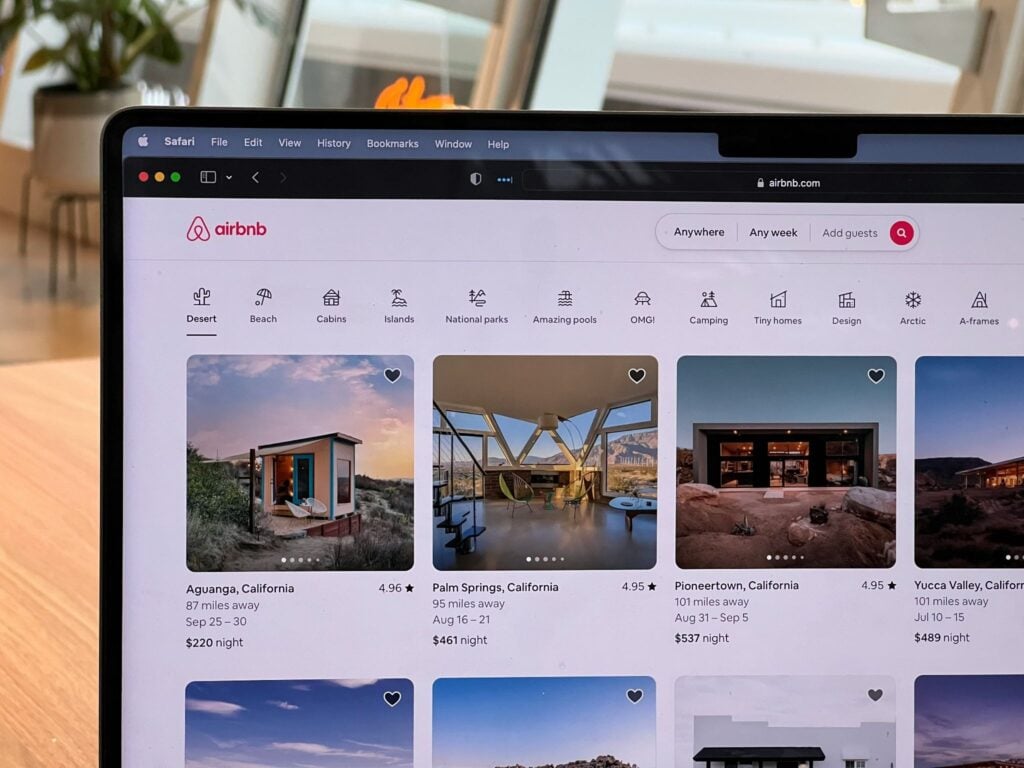
Rather than updating nightly rates manually, many property managers connect their listings to dynamic pricing tools that adjust prices based on factors such as demand, seasonality, local events, booking pace, and market trends.
At the same time, automation keeps Airbnb calendars synchronized across multiple booking channels, helping reduce the risk of double bookings while ensuring availability is always up to date.
Together, dynamic pricing and automated calendar management allow hosts to react more quickly to changing market conditions while reducing manual administrative work. Instead of constantly monitoring rates and availability, managers can focus on broader revenue strategies and guest satisfaction, knowing routine updates are happening automatically in the background.
Building a Reliable Local Team
While technology makes it possible to manage an Airbnb remotely, successful operations still depend on having trusted people on the ground. Even the most experienced hosts need reliable local partners to handle physical tasks that can’t be completed from a distance.
A dependable local team should include:
- Professional cleaners who follow detailed turnover checklists.
- Maintenance technicians who can respond quickly to repairs.
- An emergency contact available for urgent situations.
- A co-host or property assistant who can step in when needed.
- Inspection staff to verify that every property meets your quality standards.
Having clear processes for assigning tasks, reporting issues, and confirming completed work helps eliminate confusion and keeps operations running smoothly. Property management software makes collaboration easier by assigning work automatically, tracking progress, and documenting completed inspections with photos and checklists.
Local Team Checklist
Before managing your Airbnb remotely, make sure you have:
Professional cleaning team
Reliable maintenance technician
Emergency contact available 24/7
Local co-host or property manager
Regular property inspection process
Clear communication workflows
Backup vendors for emergencies
With the right local support network, you can confidently operate your business from anywhere while maintaining consistent guest experiences.
Handling Problems from a Distance
Unexpected situations are inevitable, but they don’t have to become major disruptions. The key to effective remote Airbnb management is having systems in place that allow you to respond quickly, communicate clearly, and escalate issues when necessary.
Property management software helps centralize communication and coordinate responses directly from a single dashboard. Common situations include:
- Guest lockouts
- Maintenance requests
- Reservation cancellations
- Urgent guest questions
- Last-minute cleaning issues
For example, if a guest reports that the air conditioning has stopped working, the issue can immediately be assigned to a maintenance technician while automated updates keep guests informed throughout the process.
Similarly, if a cleaner reports that additional work is required before check-in, the cleaning task can be reassigned or escalated without endless phone calls or text messages.
Creating clear escalation procedures also improves response times. Every issue should have a defined workflow:
- Receive the request.
- Assign the appropriate local contact.
- Track progress from your dashboard.
- Keep guests updated automatically.
- Confirm resolution before closing the task.
Instead of juggling multiple communication channels, management software keeps every conversation, task, and update organized in one place, allowing you to resolve problems faster while delivering a better guest experience.
Manage Everything from One Dashboard with Hostify
Successful remote Airbnb property management software becomes much easier when every part of your operation is connected in one platform.
Hostify helps property managers manage everything from one dashboard, eliminating the need to switch between multiple apps throughout the day. From guest communication to operations, every aspect of your business is centralized and automated.
With Hostify, you can:
- Manage reservations across more than 400 booking channels in real time.
- Centralize guest messaging through a Unified Inbox.
- Automate repetitive workflows, including messages, reviews, pricing, and payments.
- Organize cleaning, maintenance, and inspections with the built-in Tasks App, complete with checklists, photo uploads, and issue reporting.
- Streamline arrivals using automated online check-ins, digital rental agreements, and secure document collection.
- Monitor performance through advanced reporting and analytics.
- Sync calendars, rates, and availability from a single multi-calendar.
- Manage guest access remotely with Smart Lock integrations that automatically generate and revoke entry codes based on reservation dates.
Whether you’re managing a handful of properties or an expanding portfolio, Hostify gives you the visibility and automation needed to operate efficiently from anywhere.
To learn more about our software, book a demo with our team and discover how Hostify can simplify your remote operations while helping you deliver exceptional guest experiences.
Frequently Asked Questions
Yes. Many daily tasks, such as guest messaging, bookings, pricing, and check-ins, can be automated with property management software.
However, it’s still recommended to have trusted local partners for cleaning, maintenance, and emergencies.
The essentials include property management software, smart locks, automated messaging, dynamic pricing tools, and connected devices like noise monitors or smart thermostats.
Together, these tools help automate operations and improve the guest experience.
Build a reliable local network of cleaners, maintenance professionals, and emergency contacts before hosting.
Clear communication workflows and task management software help ensure issues are assigned and resolved quickly.
Absolutely. As your portfolio grows, automation and a centralized dashboard become even more valuable.
They help you manage reservations, guest communication, cleaning, maintenance, and reporting efficiently across all your properties from one place.