
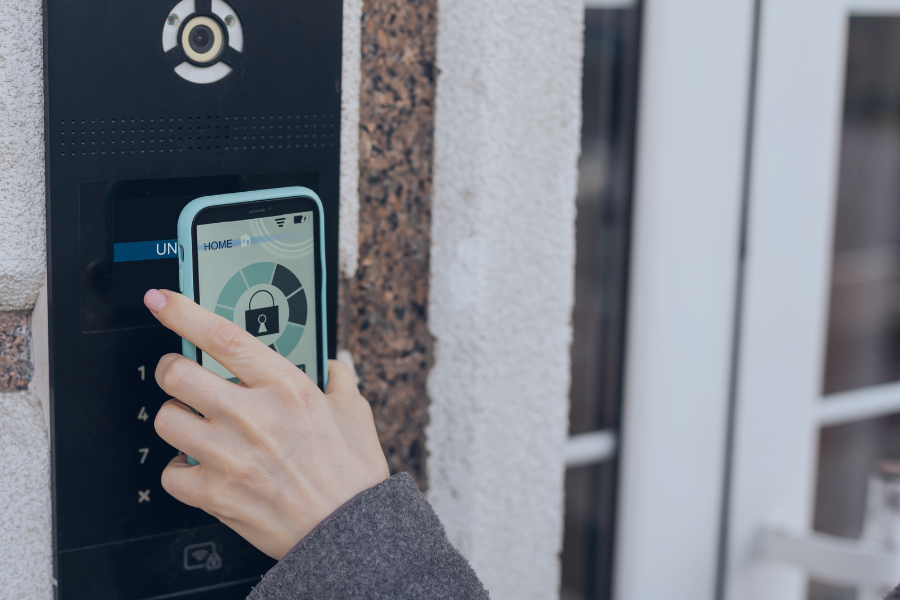
Smart home technology is becoming increasingly common in short-term rentals. Many Airbnb hosts now use devices such as cameras, thermostats, and smart locks to manage their properties remotely. According to research on smart home device usage by Airbnb hosts, these tools are primarily used to give guests remote access, protect the property, and simplify operations when hosts are not physically present.
A Property management smart lock allows hosts to control the lock remotely and grant temporary entry to guests without handing over physical keys. Instead of traditional check-ins, hosts can generate unique access codes that work only during a guest’s stay. This makes it easier to connect entry systems with booking schedules and improve guest convenience.
When combined with an Airbnb management software, hosts can automate access codes, streamline guest check-ins, and manage multiple listings more efficiently. If you’re evaluating different tools, here’s how to choose the best property management software for Airbnb hosts.
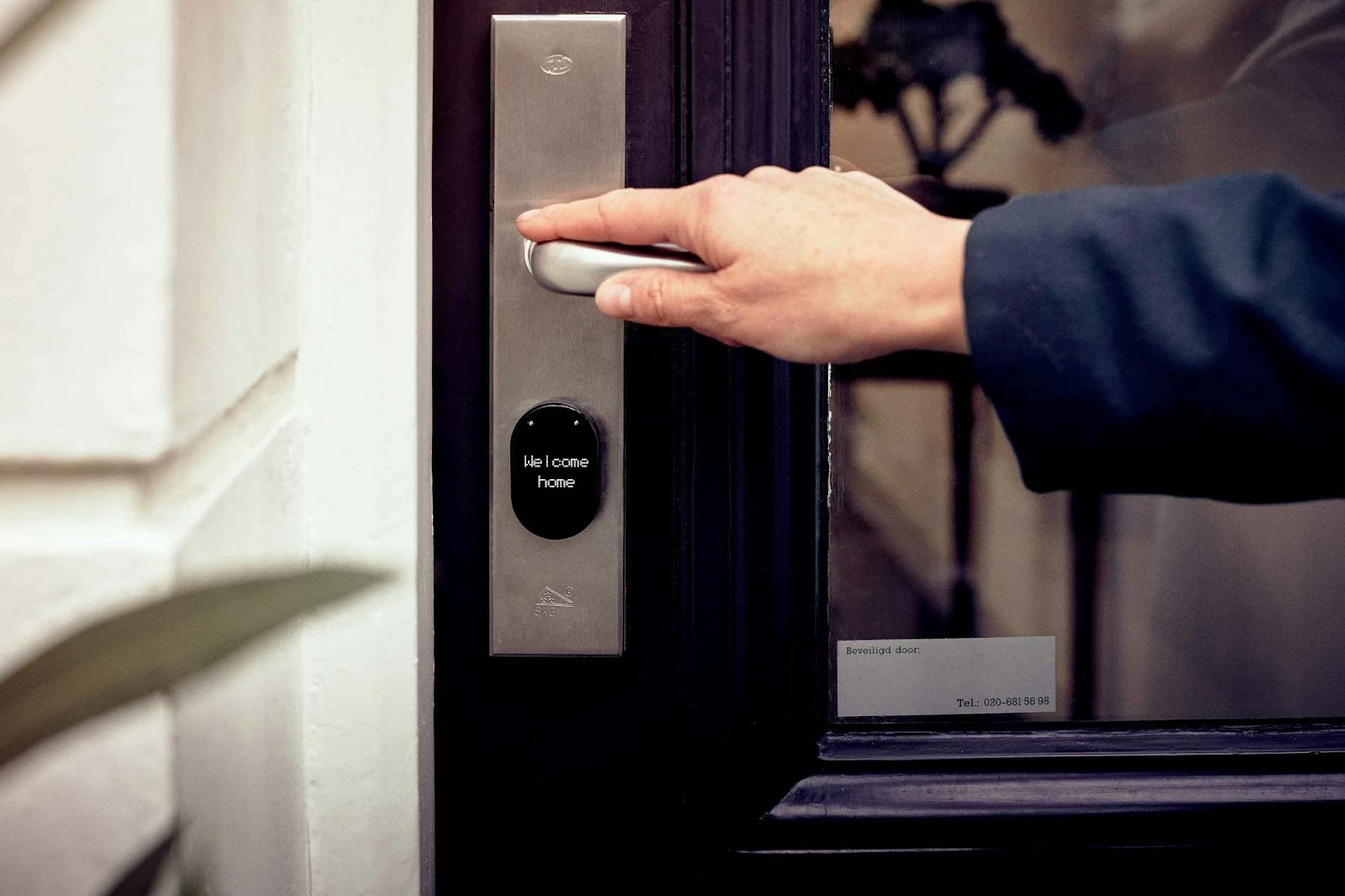
Overview: Why Smart Lock Integration Matters for Airbnb Hosts
Managing property access is one of the most sensitive parts of running a short-term rental. Research on Airbnb hosts shows that smart home devices are often adopted to protect the property, monitor activity, and allow remote entry when hosts are not physically present. For many operators, integrating entry systems with booking tools helps simplify these tasks while improving security and guest convenience.
The Challenges of Manual Key Exchanges
Traditional key handovers can create operational friction for both hosts and guest arrivals. When access depends on physical coordination, small issues can quickly disrupt the check-in experience at a home.
Common problems with traditional keys
- Guests arriving outside check-in hours
- Lost key or forgotten keys
- Hosts need to meet every guest at the door
- Security concerns when keys are copied
These challenges make it harder for hosts to manage properties remotely and keep access secure.
How Smart Locks Improve Guest Access
A smart lock replaces the need for physical keys by allowing hosts to control the lock remotely and grant temporary access to the property. Research shows that many hosts adopt these devices specifically to manage entry when they are not on-site.
Benefits for guests
- Instant access without waiting for hosts
- No physical key required
- Temporary codes for secure entry
- Easier late check-in for each guest
This system reduces coordination while still allowing hosts to monitor entry activity if needed.
Why Integration with Management Software Is Essential
While smart locks already simplify access, many hosts report that the process becomes more efficient when the devices can sync with booking information. In interviews with Airbnb hosts, some participants specifically mentioned the need for smart locks to connect with their Airbnb account so entry codes could be generated automatically.
By integrating smart locks with Airbnb property management software, hosts can:
- Automatically create codes linked to reservations
- Sync bookings with entry permissions
- Deliver smoother check-ins without manual coordination
This integration allows property access to follow the same automated workflow as reservations and guest communication.
How Smart Lock Integration Works
Smart lock integration works by connecting your Airbnb listing, property management system (PMS), and smart lock device into a single automated workflow. Once these systems are linked, booking events can trigger actions such as generating access codes and sending entry instructions to guests.
Syncing Your Airbnb Listing with Your PMS
The process starts by connecting your Airbnb listing to a property management system. Once synced, reservation details such as booking dates and guest information are automatically transferred to the PMS, allowing it to detect new bookings and upcoming stays.
Connecting Compatible Smart Lock Devices
For automation to work, the lock must be connected to the internet.
Typical setup steps include:
- Connect the device to Wi-Fi
- Link PMS with the smart lock platform
- sync reservation data from the booking system
Once connected, the devices can communicate with the management software and respond to booking events.
Automatically Generating Unique Access Codes
After a reservation is confirmed, the system automatically generates a unique access code for that specific booking. This code is linked to the guest’s stay and replaces the need for physical keys or manual coordination.
Scheduling Code Activation and Expiry
Access permissions can also be automated based on the reservation schedule.
Example:
- Check-in → code becomes active
- Check-out → code is disabled
This reduces manual work and helps ensure that previous guests cannot access the property after their stay.
Sending Access Details to Guests Automatically
Finally, the system sends access details to the guest before arrival. This typically includes the entry code, instructions, and relevant access information, delivered automatically through the PMS or messaging system.
Compatible Smart Lock Providers
Not all smart locks integrate the same way with short-term rental tools. Choosing a compatible device ensures your property management system can automatically sync reservations, generate access codes, and control guest entry without manual work.
Below is a quick comparison of commonly used smart lock options for Airbnb hosts.
Smart Lock Comparison
| Smart Lock | Connectivity | Ideal For | Key Feature |
| Yale Assure Lock | WiFi | Professional hosts | Strong security |
| August Smart Lock | WiFi / Bluetooth | Apartments | Easy installation |
| Other smart locks | WiFi | Multi-property hosts | Automation support |
| RemoteLock | WiFi / Cloud platform | Property managers & vacation rentals | Universal access control & remote management |
| YACAN | Multi (WiFi / NFC / Codes / Biometric) | Hotels & multi-sector facilities | Multiple access methods & advanced security logs |
| Tedee | WiFi / Bluetooth | Short-term rentals & smart homes | Virtual keys & real-time monitoring |
| TTLock | Bluetooth + WiFi Gateway | Short-term rentals | Automated PIN codes & booking-based access |
Security, Access, and Guest Experience
Smart home technologies are increasingly used in short-term rentals to improve both security and guest comfort. These systems allow hoc5rsts to remotely manage property access, monitor the home environment, and automate certain functions while guests are staying at the property. When implemented correctly, they help create a safer and smoother experience for both hosts and guests.
Managing Temporary Access Windows
Smart locks allow hosts to grant access only for a limited period of time. This means guests can enter the property during their reservation without requiring physical keys or in-person check-ins.
By restricting entry to a specific time window, hosts maintain control over the property while still providing a convenient, automated arrival process for guests.
Monitoring Door Activity and Access Logs
Smart home systems also help hosts monitor activity within the property. Devices connected to the system can provide information about how the home is being used, helping hosts ensure the accommodation remains secure.
For example, some hosts monitor the property environment using connected devices such as cameras or noise sensors to detect unusual activity or large gatherings that could disturb neighbors. These monitoring capabilities help hosts maintain control and protect their property while guests are staying.
Ensuring Secure Guest Data Handling
Security is also important in how smart home systems handle information. Research shows that privacy concerns can arise when guests interact with connected devices inside rental properties.
For this reason, some smart home solutions operate on local networks instead of cloud-based systems. Keeping the system local can reduce data exposure and give hosts more control over how device information and guest interactions are managed.
Providing a Seamless Arrival Experience
Beyond security, smart home technology also improves the guest experience. Accessing a property without a physical key and interacting with automated devices can make the stay more convenient and memorable.
These technologies help create smoother check-ins, allowing guests to enter the property quickly while enjoying the comfort and convenience of a connected accommodation environment.
Manual vs Automated Access Management
Managing property access manually may work for a single listing, but it becomes inefficient as operations grow. Comparing manual and automated access methods highlights how smart lock integration simplifies workflows and improves operational scalability.
Physical Keys vs Digital Codes
Traditional hosting relies on physical keys, which require coordination between the host and the guest. Delays, missed arrivals, or lost keys can disrupt the check-in process.
Digital codes remove this dependency by allowing access without physical handovers, making entry more flexible and easier to manage.
Time Saved per Booking
Manual key management involves coordination, guest communication, and sometimes in-person meetings. As bookings increase, these tasks create a significant operational burden.
Automation reduces these repetitive steps, allowing hosts to handle more bookings with less manual effort.
Reducing Human Error
Manual processes increase the likelihood of errors, such as lost keys, duplicate copies, or missed handovers.
Automated systems reduce these risks by standardizing access management and minimizing manual intervention.
Scalability for Multi-Property Hosts
Managing access across multiple properties with physical keys quickly becomes complex and resource-intensive.
Automated access systems simplify this process by enabling centralized management, making it easier to handle larger property portfolios efficiently.
Access Management Comparison
| Feature | Manual Keys | Smart Lock Integration |
| Guest access | Physical meeting | Automated |
| Security | Medium | High |
| Scalability | Low | High |
| Code management | Manual | Automatic |
Is Smart Lock Integration Right for Your Airbnb Business?
Smart lock integration can benefit different types of short-term rental operators, but the level of impact often depends on the scale of the operation. From single-property hosts to professional property managers, automated access systems can improve security, efficiency, and guest convenience.
Single Property Hosts
For hosts managing a single listing, smart locks simplify the check-in process and reduce the need for in-person meetings. Instead of coordinating key handovers, hosts can provide guests with temporary digital access that works during the reservation period.
This approach offers basic but valuable benefits, such as easier scheduling, fewer lost keys, and the ability to allow guests to arrive at flexible times. It also helps create a smoother arrival experience without requiring the host to be physically present.
Growing Short-Term Rental Operators
As hosts begin managing multiple listings, manual access management becomes more time-consuming. Smart lock integration allows operators to automate guest access across different properties.
By generating temporary entry codes and managing them remotely, hosts can streamline operations and reduce the time spent coordinating arrivals. This automation helps maintain consistent processes across listings while improving operational efficiency.
Professional Property Managers
For professional property managers handling large portfolios, automated access control becomes essential for maintaining scalable operations.
Smart lock systems allow managers to control access remotely, track property activity, and manage guest entry across multiple units from a central system. This reduces the need for on-site staff and helps standardize security practices across properties.
At a larger operational scale, automated access management supports more efficient workflows while ensuring that guests can access properties quickly and securely.
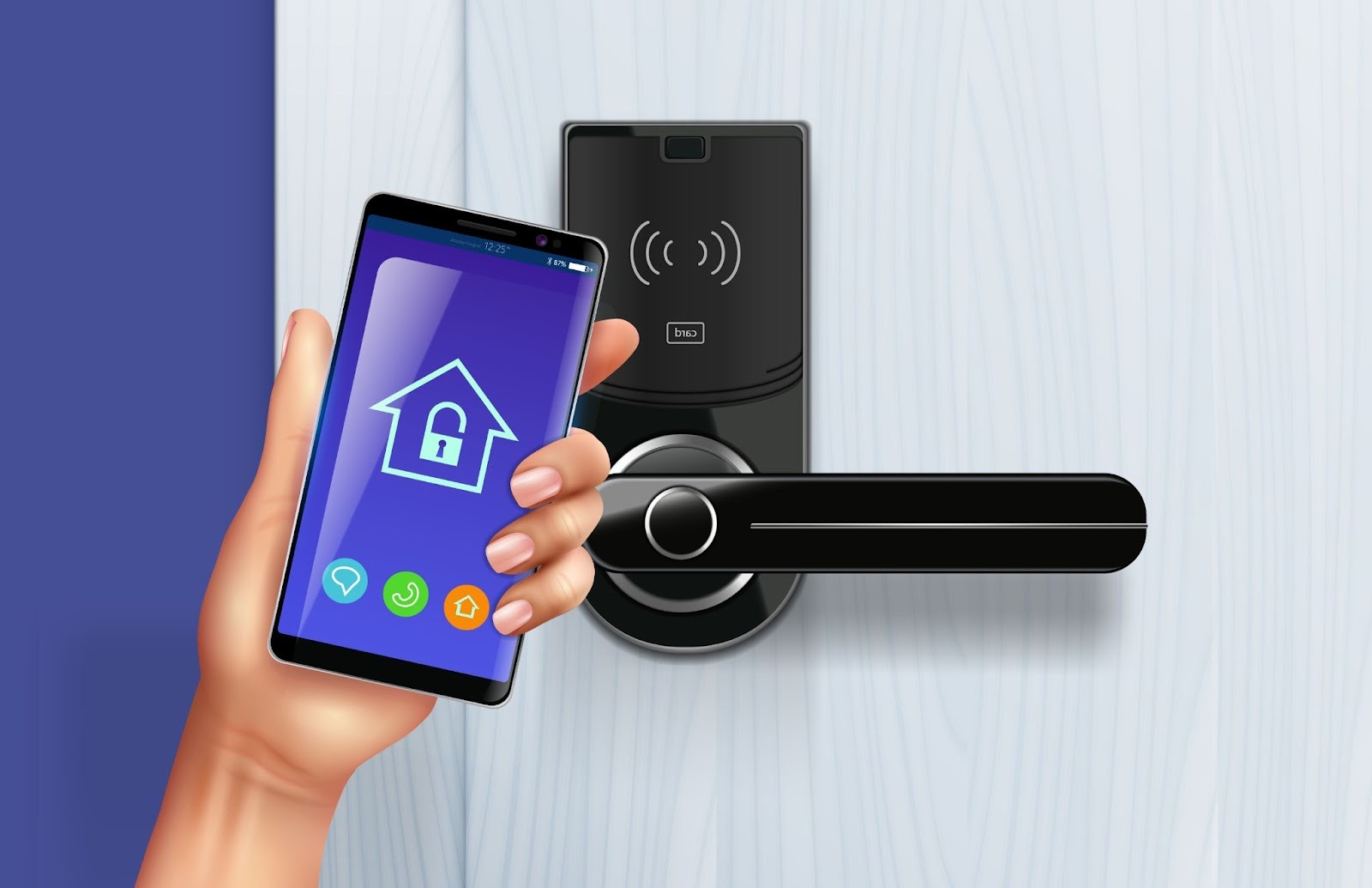
Connect Smart Locks to Airbnb with the Right Management Software
Using an Airbnb management platform like Hostify, smart locks can synchronize with reservations, allowing access codes to be created automatically for each booking.
Getting Started with Integration
Setting up smart lock automation typically involves a few straightforward steps:
- Choose a compatible smart lock
Select a device that supports integration with property management or Airbnb automation tools. - Install the device on the door
Replace or retrofit your existing lock with the smart lock hardware according to the manufacturer’s instructions. - Connect the lock
Link the device to the property’s internet network so it can communicate with management software. - Sync with a property management software
Connect the lock to your Airbnb management platform so the system can detect bookings and manage access automatically. - Start automated access codes
Once connected, the system can generate temporary entry codes for guests that activate at check-in and expire after checkout.
Scaling Secure Access Across Your Portfolio
When integrated properly, smart locks can support property operations at any scale. Automated access management reduces manual tasks, improves security by limiting entry to reservation periods, and provides guests with convenient self-check-in.
For hosts managing multiple listings, integrating locks with an Airbnb management platform makes it easier to scale operations while maintaining consistent security standards and a reliable guest experience.